Game Development
How Businesses Are Using Gamification to Increase Customer Engagement
Quick Answer
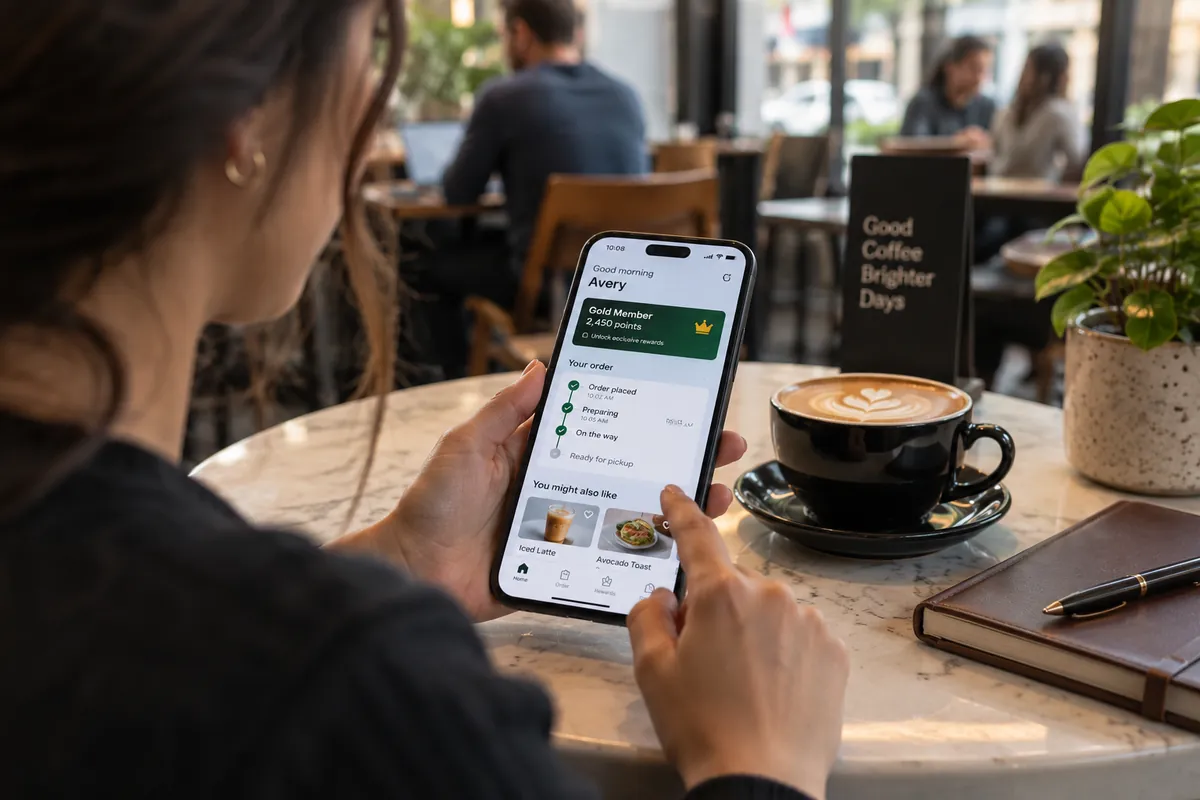
Gamification applies game mechanics such as points, levels, badges, challenges, streaks, leaderboards and rewards to non-game experiences. Businesses use it to encourage repeat purchases, app usage, learning and referrals. It works when mechanics reward behaviour that genuinely benefits customers, not just engagement for its own sake.
Introduction
Loyalty cards that give a free coffee after ten purchases are an early form of gamification. Digital products have taken the idea much further, using streaks, progress bars, challenges and rewards to motivate everything from learning languages to saving money.
Here is how businesses use gamification, where it works and how to design it well.
Common gamification mechanics
- Points and rewards for purchases, reviews, referrals or activity
- Levels and tiers that unlock benefits as customers progress
- Badges and achievements for milestones
- Challenges and missions with clear goals and time limits
- Streaks that reward consistent daily or weekly use
- Progress bars that show how close a user is to a goal
- Leaderboards for friendly competition, used carefully
Examples by industry
Retail and e-commerce use loyalty points, scratch cards and spin-to-win offers. Fintech apps reward saving goals and on-time payments. Education platforms use streaks, quizzes and certificates. Fitness and health apps use challenges and achievements. B2B businesses gamify dealer and sales incentive programmes and employee training.
Why gamification works
Clear goals, visible progress, timely feedback and meaningful rewards make actions feel satisfying. Gamification turns abstract benefits, such as saving money or learning a skill, into concrete steps and small wins.
Designing gamification that lasts
Effective programmes follow a few principles:
- Reward behaviour that creates real value for the customer and the business.
- Keep rules simple and rewards easy to understand.
- Mix short-term wins with longer-term goals.
- Avoid manipulative patterns that pressure users.
- Measure the effect on retention and revenue, not just activity.
Technology behind gamification
Gamification needs event tracking, a rules engine for points and rewards, user profiles, notifications and fraud prevention to stop abuse of rewards. It can be built into an existing app or website, or delivered through a dedicated loyalty platform.
Design rewards around meaningful customer progress
Begin with the behavior the business wants to support and the value it gives the customer. A progress indicator can clarify a multi-step onboarding task; a loyalty reward can recognize repeat purchases; a challenge can help people learn a product. If the mechanic only increases visits without helping users complete a useful task, engagement may be shallow.
Explain the rules, reward conditions and expiry clearly, and make sure customers can participate without misleading pressure. Compare this with mobile app engagement, e-commerce feature planning and Vaqnova’s game development service when choosing an implementation.
Measure task completion, repeat use, customer feedback and unintended behavior together. Test whether a reward creates confusion, unfair access or unwanted spending patterns. Iterate with a limited group before introducing the mechanic across every customer journey.
Summary
Key Takeaways
- Gamification uses game mechanics to motivate valuable customer behaviour.
- Points, tiers, challenges and streaks are the most common mechanics.
- Design around genuine value and keep rules simple.
- Measure retention and revenue effects, and prevent reward abuse.
Pitfalls
Common Mistakes to Avoid
- Rewarding actions that do not benefit customers or the business.
- Complicated point systems nobody understands.
- Leaderboards that discourage most users.
- No safeguards against people gaming the rewards.
FAQ
Frequently Asked Questions
Does gamification work for B2B businesses?
Yes. Dealer incentive programmes, sales contests and training platforms commonly use points, tiers and challenges to motivate partners and employees.
How much does a gamification system cost?
It ranges from simple loyalty features added to an existing app to full custom platforms. Cost depends on mechanics, integrations and fraud controls.
Can gamification increase sales?
When rewards encourage repeat purchases, referrals or higher order values, it can. Measure results against a control group to confirm the effect.
What is the difference between gamification and a game?
A game is played for its own sake. Gamification adds game mechanics to a non-game product or process to motivate specific behaviours.
Wrap-up
Final Thoughts
Gamification works when it makes valuable behaviour feel rewarding and clear. Start with one behaviour you want to encourage, design simple mechanics around it, and measure the impact on customer loyalty and revenue.
References
Sources
Let's talk
Build Your Next Digital Product
Vaqnova designs and builds gamified features and loyalty experiences for apps, websites and dealer programmes.
Talk to Our Team