Game Development
Game Development Process from Idea to Launch
Quick Answer
Game development usually moves through concept, prototype, pre-production, production, alpha and beta testing, soft launch, global launch and live operations. The most important step is prototyping the core gameplay early, so the team confirms the game is fun before investing in full art and content.
Introduction
Making a game combines software engineering, design, art, audio and marketing. Without a clear process, projects drift, budgets overrun and games launch without an audience.
Here is the typical path from idea to launch, and what each stage should produce.
1. Concept
Define the core idea: genre, target players, platforms, the main gameplay loop, art direction and business model. Study similar games to understand what players expect and where your game can stand out.
2. Prototype
Build a rough, playable version of the core mechanic with placeholder art. Test it with real players. If it is not fun at this stage, polish will not save it, so iterate or change direction now while it is cheap.
3. Pre-production
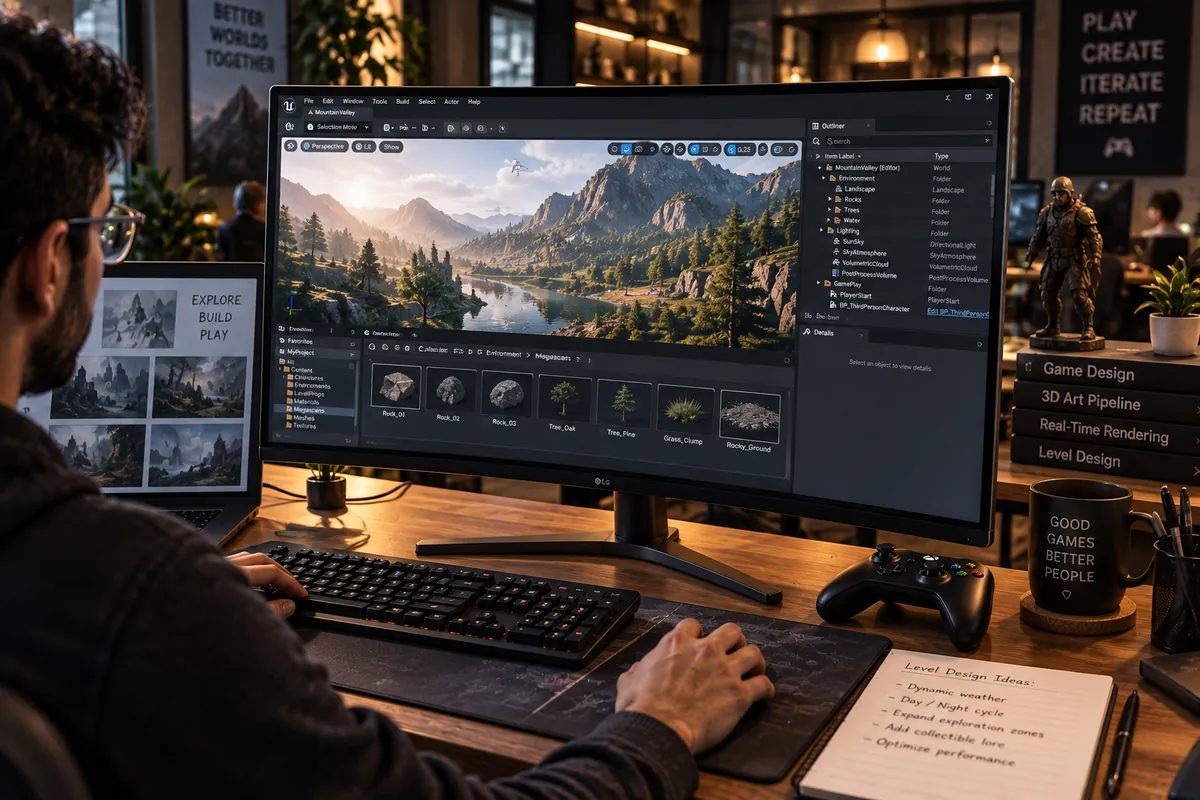
Write the game design document, plan levels and progression, define the art style with key visuals, choose the engine and tools, set up the technical architecture and build a vertical slice: one polished section that represents final quality.
4. Production and testing
The team builds content, features and systems in milestones. Alpha means all major features exist; beta means content is complete and the focus shifts to bugs, balance and performance. Test across target devices, especially lower-end phones for mobile games.
5. Soft launch, launch and live operations
Mobile games often soft launch in a few markets to measure retention, monetisation and stability before a global release. Prepare store pages, trailers and community channels in advance. After launch, live operations deliver updates, events and fixes based on player data and feedback.
Use milestone builds to validate fun and production risk
Start with a playable prototype that demonstrates the core loop rather than a polished menu or a long feature list. Have representative players try it without coaching, observe where they understand the goal and where they stop, then revise the design. This test can reject an idea early or identify which mechanic deserves production investment.
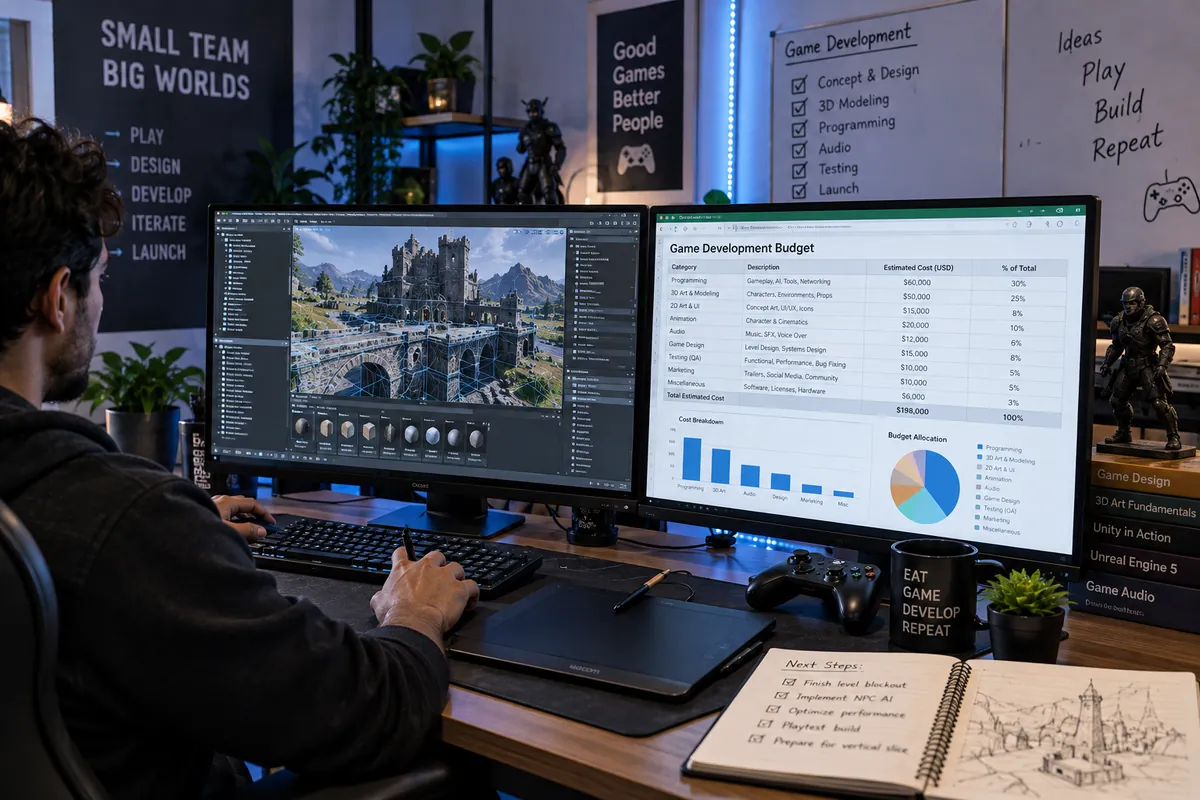
After the prototype, plan milestones around playable outcomes: movement and interaction, a complete level or session, content pipeline, platform integration, testing and release readiness. Link each milestone to game budget drivers, engine selection and Vaqnova’s game development service.
Keep scope decisions visible when art, levels or features change. Build time for performance testing, accessibility, platform certification and post-launch fixes. A game can be technically complete while still needing tuning based on how real players respond.
Summary
Key Takeaways
- Prototype the core gameplay early and test it with players.
- A vertical slice sets the quality bar before full production.
- Alpha, beta and device testing prevent painful launches.
- Soft launches and live operations turn a release into a lasting game.
Pitfalls
Common Mistakes to Avoid
- Skipping the prototype and going straight to production art.
- Adding features endlessly instead of finishing the core game.
- Starting marketing only at launch.
- No analytics to understand player behaviour.
FAQ
Frequently Asked Questions
How long does the game development process take?
Simple mobile games can take a few months; larger games often take one to three years. Prototyping and pre-production help make the timeline realistic.
What is a vertical slice?
A small, fully polished portion of the game that shows final quality in art, gameplay and audio. It is used to validate the vision and estimate the rest of production.
What is a soft launch?
A limited release in selected markets to test metrics such as retention and monetisation and fix issues before the global launch.
Do I need a game design document?
Yes, in some form. It keeps the team aligned on mechanics, progression and content, though it should evolve as the game is tested.
Wrap-up
Final Thoughts
A clear process protects the creativity of game development by catching problems early. Prove the fun with a prototype, set the quality bar with a vertical slice, build in milestones, and launch with a plan for what comes next.
References
Sources
Let's talk
Build Your Next Digital Product
Vaqnova guides game projects from concept and prototype through production, launch and live updates.
Talk to Our Team