App Development
How Mobile Apps Increase Customer Engagement
Quick Answer
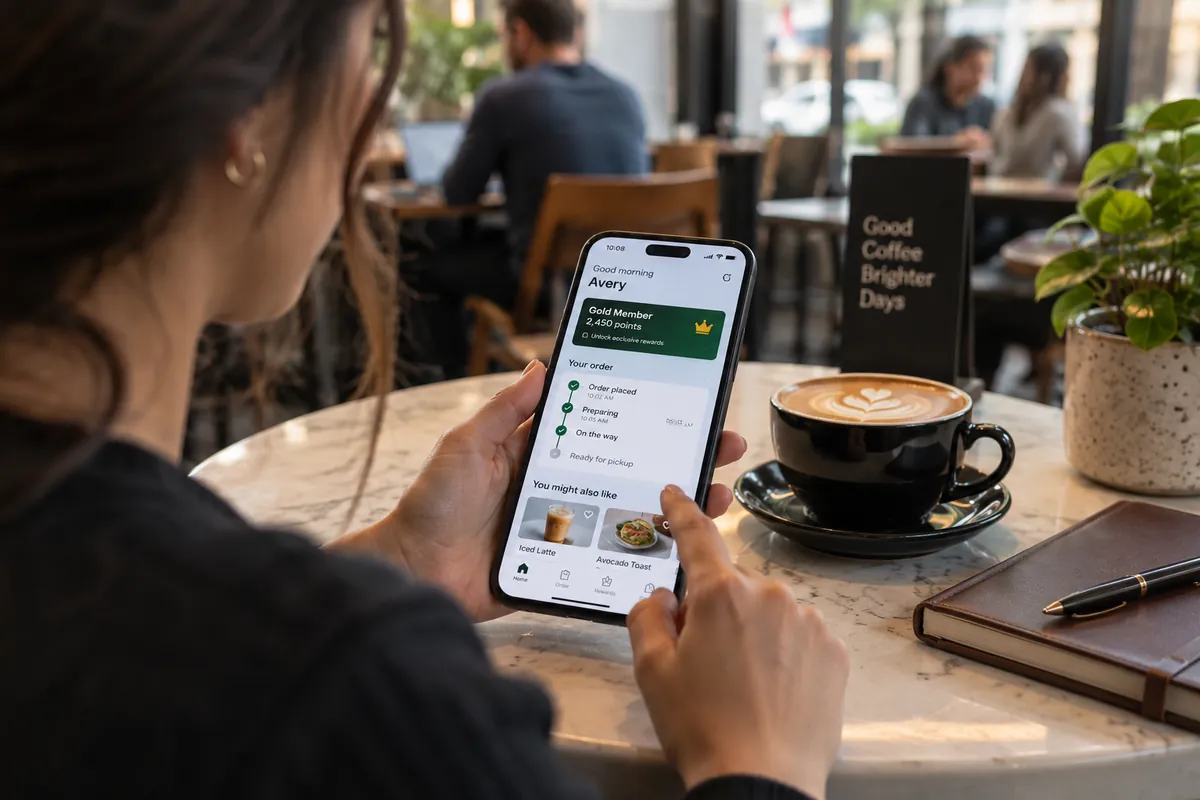
A mobile app can support engagement when customers return often and it makes a repeated task easier through saved preferences, self-service, order status or timely updates. An app does not create loyalty by itself. Compare the added convenience with the ongoing work of development, support, privacy and customer acquisition before investing.
Introduction
Imagine a customer who books the same service every month. If an app remembers useful details, makes rebooking simple and shows appointment changes clearly, it can remove work from a familiar task. If the customer visits only once a year, asking them to install an app may add friction instead.
The value of an app depends on frequency, convenience and trust. This guide covers the product choices that can help, how to use notifications responsibly and what to measure beyond downloads.
Begin with a repeated customer job
List the moments when customers return: reordering, scheduling, checking a delivery, reviewing account information or requesting support. An app is most useful when it makes one of those moments meaningfully easier than the mobile website or existing service channel.
For example, a returning buyer might value a saved basket and clear order history. A business customer might need to check stock or submit a service request. Ask customers which step is inconvenient before proposing app features; an app should solve the friction rather than merely duplicate the desktop site.
Use convenience features with a clear purpose
Features such as saved preferences, appointment management, order updates, account documents and self-service support can make a repeat task faster. Each feature needs dependable data and a clear fallback when a service is unavailable. If information is stale or actions fail silently, the app weakens trust.
Choose a small number of connected tasks for the first release. A mobile app development project should define the customer problem, required systems and support owner before expanding the feature list. Apps that offer little beyond a mobile website may also face app store review questions about their value.
Make notifications timely and wanted
Notifications can be useful for a delivery update or a change to a booked appointment. They become noise when every marketing event produces an interruption. Explain the value before requesting permission, make preferences understandable and provide a way to manage promotional messages.
Permission behavior differs across platforms and versions. Android 13 and later require runtime permission for notifications in relevant cases, and Apple’s guidance emphasizes user control and useful notification content. Design and test the permission journey rather than showing a prompt before the customer understands why it is needed.
Personalize with restraint
Relevant content can reflect a user’s chosen preferences, recent activity or account state. Use only information needed for the benefit, explain how the feature works and allow people to correct or remove saved details where appropriate.
Personalization can be wrong when records are incomplete or shared devices are involved. Make recommendations explainable, avoid exposing sensitive information in notifications and offer a neutral experience when there is not enough data to personalize confidently.
Measure repeat use and task completion
Track whether users complete the intended job: rebooking, placing a repeat order, checking status or resolving a support request. Look at return usage over a defined period alongside task success, opt-outs, support contacts and app stability. Downloads alone do not show whether the app helped.
Define a baseline and a comparison method before release. If app users are already the most loyal customers, comparing them with all website visitors can exaggerate the app’s effect. Treat analytics as evidence to investigate, not proof that the app caused every observed difference.
Decide whether an app is the right channel
Estimate how often customers return, what friction the app removes and which capabilities require installation. Compare that with the cost of maintaining two store releases, backend services, support and updates. A responsive website or a simple messaging channel may be more appropriate for an infrequent interaction.
Products built around repeat bookings can also be compared with an existing approach such as Box Cricket ERP, whose product page describes time-slot booking and customer management.
Interview customers, prototype the repeated task and check whether they would choose an app for it. Build only when the expected convenience justifies the additional channel and the business can keep it reliable. Our guide to app development mistakes covers validation and post-launch planning.
Summary
Key Takeaways
- Build around a repeated customer task, not the desire to have an app.
- Useful self-service and timely updates support engagement when the underlying data is reliable.
- Ask for notification permission in context and respect user preferences.
- Measure completed tasks and repeat use, not downloads alone.
FAQ
Frequently Asked Questions
Does every small business need an app?
No. An app is more compelling when customers return often and installation unlocks useful convenience. For occasional tasks, a well-designed mobile website may be easier for customers.
How can I encourage customers to install an app?
Explain a concrete benefit at a relevant moment, such as simpler reordering or account self-service. Do not make installation a barrier unless it is necessary for the service.
Should I send daily push notifications?
Only if customers have explicitly chosen that frequency and each message is useful. Let people control categories and avoid using notifications as a substitute for product value.
What should I measure after launch?
Measure the core task completion, repeat use, app reliability, notification opt-outs and customer feedback against a defined baseline.
Wrap-up
Final Thoughts
An app can support customer relationships when it makes a recurring task simpler and communicates with care. Validate the need, deliver a focused convenience and measure whether customers complete the task more successfully.
References
Sources
Let's talk
Build Your Next Digital Product
Vaqnova can help validate whether an app suits your customer journey and plan the first useful release.
Talk to Our Team